All Categories
Featured
Table of Contents
Alternative relationships for size, color, material, and other alternatives. Breadcrumb structured data. Merchant Center feed positioning. Evaluations and user-generated content help here, too. Good reviews add language buyers use in the real life. Item Q&A can address objections that your base copy misses. But UGC needs governance: prevent spam, moderate claims, and ensure review markup shows noticeable evaluations.
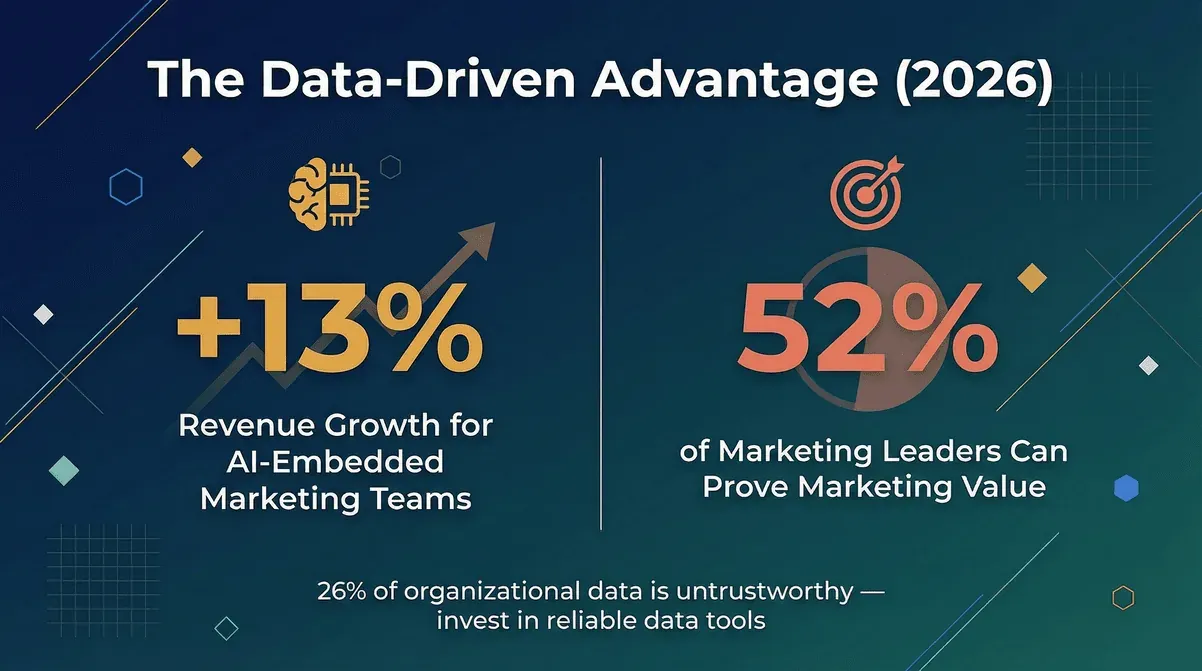
A little store may have a couple of hundred essential URLs. A big store can create millions of crawlable mixes when filters, sorting, pagination, internal search, versions, and specifications are live.
Consolidate duplicates. Keep sitemaps present. Prevent long redirect chains. Return correct 404 or 410 status codes for completely eliminated pages. Eliminate soft 404s. Faceted navigation is worthy of special attention. Google's faceted navigation guidance describes that filters can produce large or infinite URL areas, which can cause overcrawling and slower discovery of beneficial URLs.
Using Digital Analytics for Higher ROI
If some filtered pages should rank, make those options deliberately. Common control decisions include: Which filters should have indexable landing pages.
How versions combine or separate based upon search need. How stopped and out-of-stock URLs are handled. Be mindful with noindex as a crawl-budget tool. Google still needs to crawl the page before seeing the regulation. For big low-value URL sets,, URL design, canonical debt consolidation, and internal-link controls may be better depending upon the circumstance.
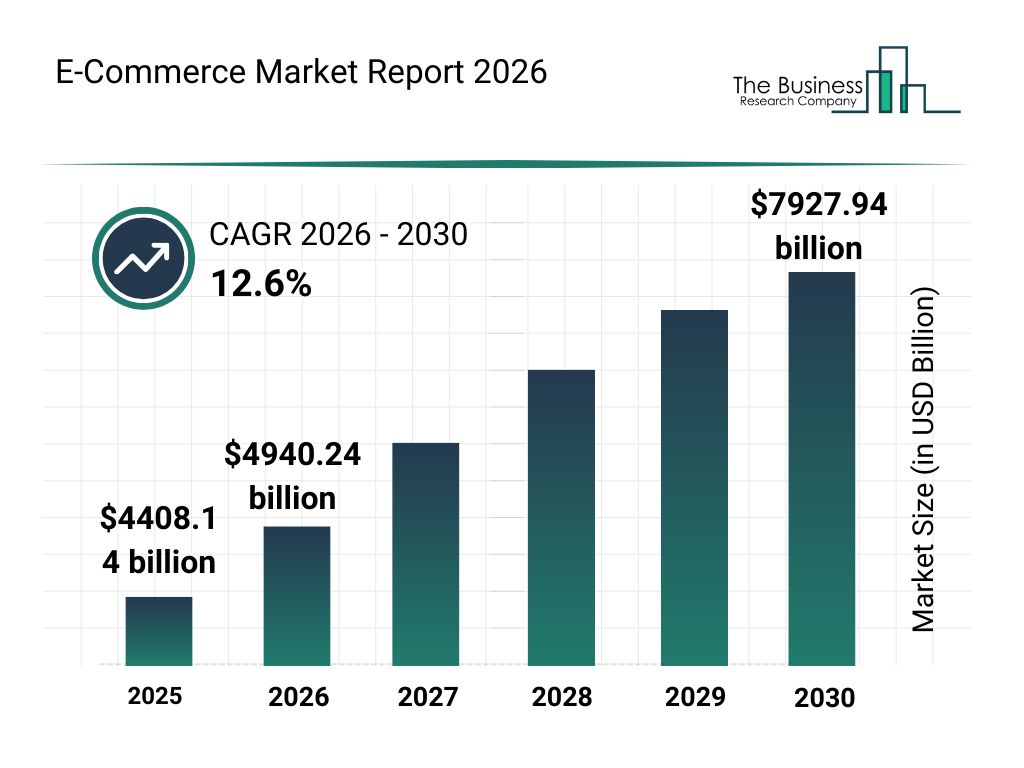
The very same SEO suggestion can have a various application course depending upon the platform. That is why SEO for eCommerce websites need to account for CMS, style, app stack, checkout design, feed setup, and designer workflow. Shopify SEO often includes collection architecture, theme speed, app bloat, item variants, replicate collection/product courses, faceted apps, and Shopify Plus workflow limits.
Data Strategy and Growth in Modern Digital CommunicationsMagento SEO and Adobe Commerce work frequently fixates layered navigation, indexation rules, canonical handling, URL rewrites, category depth, performance, and developer-backed design template modifications. BigCommerce SEO work typically includes classification structure, faceted URL habits, product options, theme efficiency, checkout restrictions, and feed accuracy. Custom-made platforms can be exceptional or uncomfortable.
SEO earns the see. Conversion rate optimization helps turn that see into income. For eCommerce, the 2 need to not be separated. Look at category-grid habits, product-page trust, evaluation exposure, shipping and return clearness, add-to-cart friction, checkout actions, payment options, site search, product recommendations, and retailing tests. A ranking enhancement is better when the page converts.
SEO Vs Paid Search for Scalable Growth
Presentations, sizing descriptions, setup guidance, comparison clips, and product walkthroughs can make a page more handy. Lazy load embeds, safeguard the main product material, and prevent letting video scripts slow down the template.
For stores, measure the design templates that matter: classification, item, search, cart-adjacent, and material pages. The homepage score alone will not tell you whether shoppers are waiting on product images, evaluations, personalization scripts, or third-party apps.
Data Strategy and Growth in Modern Digital CommunicationsKeep that guideline. Product lifecycle choices affect rankings, links, user experience, and profits. If a product is momentarily out of stock, keep the page live, reveal the status clearly, preserve schema precision, and offer email alerts or associated items. If an item is completely terminated but has traffic, links, or demand, decide whether to keep the page as a ceased product resource, redirect to the closest replacement, or path to the most pertinent classification.
The Future of Social Advertising Strategies
For seasonal items, plan before need returns. For variations, do not let every color or size become a thin orphan unless search demand justifies different pages.
Generic visitor posts and low-quality directories are not a resilient method. Much better link earning typically comes from beneficial assets: data studies, calculators, fitment tools, size guides, market resources, initial photography, buying guides, trend reports, expert commentary, partnerships, and digital PR projects. For a shop with a technical product line, a compatibility resource may make much better links than a generic post.

Latest Posts
Optimising the Customer Journey with Better Data
Advanced Analytics Tutorials for Modern Store Success
Unlocking Shop Scale With Online SEO